Venture Capital & Investing

Early-Stage and Growth Investors Differ: Validate a Profitable Model Before Scaling

Share this article
LINEFacebook

Robin’s commentary (as of November 2024)

Storage information

Bookmarks and reading positions are stored in this browser. Manage and back them up in My Reading.

Collected in Robin Shen’s Field Notes · Content type and attribution are shown above

English translation of the Chinese post originally published 2024-11-26. Translated 2026-11-04 with AI assistance. Historical figures and claims have not been updated or independently verified. 中文原文

Reading guide

Robin sees different investment expectations as a matter of stage. A team still building an MVP and seeking product-market fit will naturally be losing money and needs investors willing to take early-stage risks. After PMF, investors want more numbers and evidence. The critical question is whether the team has found a business model capable of profitability. Expanding staff and replicating at scale before doing so often hastens failure. A Taiwanese team pushed overseas by fundraising narratives or investors before validating its model at home may burn money in both markets without clear results.

Key points

  • Loss-making early-stage teams need investors willing to accept early-stage risks.
  • After PMF, investors want evidence of results.
  • Expansion abroad before validating a profitable model can accelerate cash burn.
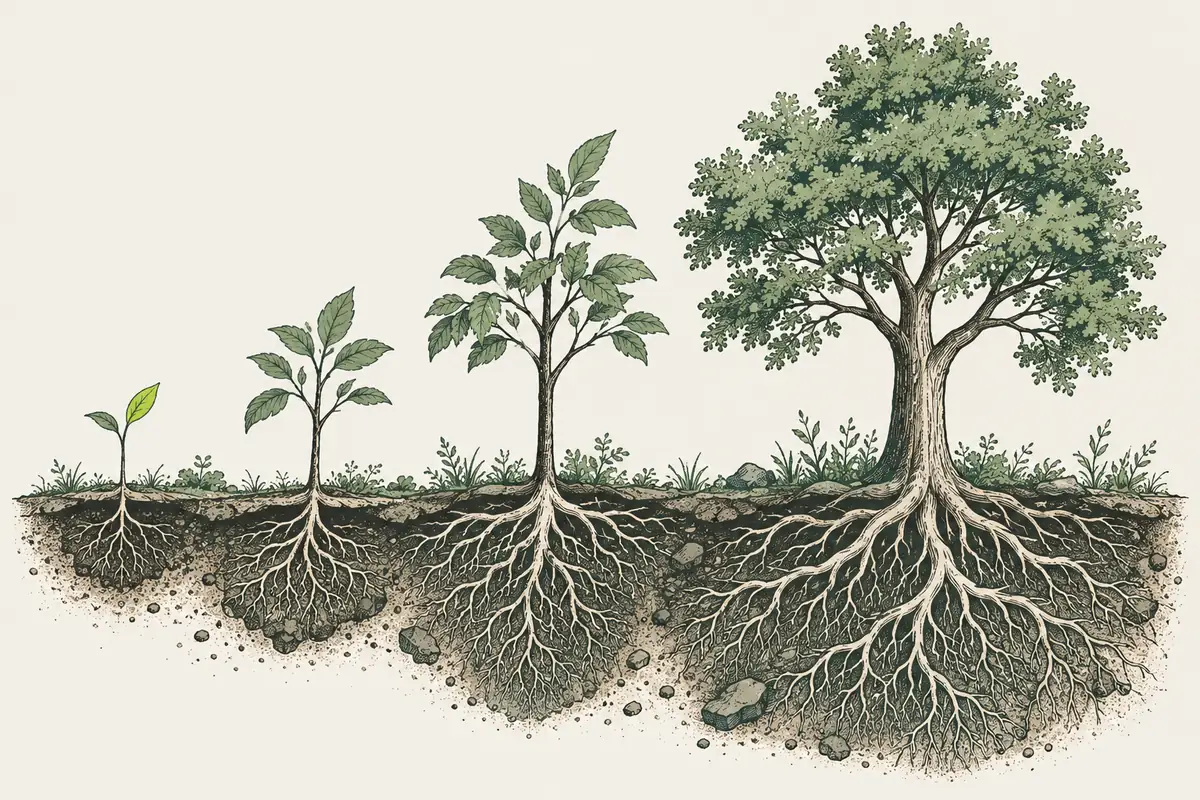
Trees at different stages of growth with connected roots on cream paper, suggesting patient cultivation and lasting value.
Venture capital & investmentThematic illustration · AI generated

Full text — English translation

Wisdom from the great JJ. Personally, I see this as a difference in stages. An early startup still building a minimum viable product (MVP) and establishing product-market fit (PMF) will naturally keep losing money. It needs early-stage investors willing to bear that risk. #For early-stage investment, look to AVA Once the MVP is complete and PMF validated, there are investors for that stage too. PMF is generally followed by raising more capital to scale or enter other countries. Those investors commit more money and need more numbers. One way to validate PMF is to show the results achieved. The key remains whether the team has genuinely discovered a business model capable of profitability. Refine the product and service before rapidly replicating it at scale. Expanding the team and copying the business widely without finding that model often only leads to a faster death. Some Taiwanese teams rush to expand before proving a profitable model and end up burning the candle at both ends. If the team initially chooses Taiwan—not a requirement, but a familiar home market—yet has not validated its model and product or service there, pressure to supply a growth story for the next round, or investors pushing it overseas, can create two problems. First, attending to one market means neglecting another, as past cases in Taiwan’s restaurant-reservation market have shown. Second, it burns money in Taiwan and overseas without clear results, sharply accelerating the rate of cash burn.

These articles are personal notes, book excerpts, and collected reprints. Figures and events reflect the time of the original publication, are not current information, and do not constitute investment advice.

Share this article
LINEFacebook

DISCUSSION

Reader comments

What did this article make you think about? Different perspectives and constructive criticism are welcome.

Comments are public immediately. Do not include personal contact details or external links. Automated checks block suspicious solicitation, prohibited transactions and spam; they can make mistakes.

0 / 2000

Comments load when you reach this section.

    Administrator sign-in

    My reading notes

    These notes stay in this browser and are not published. Writing a note also saves the article. Back up or move your notes in My Reading.

    Manage my bookmarks and notes →

    STAY CURIOUS

    Save a good question for your next visit.

    Save this article, or follow the Facebook page and RSS feed for additions. Historical articles retain their original publication dates.

    Browse All articlesSearch articles and full text →