Capital Markets & Governance

Why Raising Money from the Public Requires a Regulatory Framework

Share this article
LINEFacebook

Robin’s commentary (as of January 2026; personal impressions)

Storage information

Bookmarks and reading positions are stored in this browser. Manage and back them up in My Reading.

Collected in Robin Shen’s Field Notes · Content type and attribution are shown above

English translation of the Chinese post originally published 2026-01-03. Translated 2026-11-05 with AI assistance. Historical figures and claims have not been updated or independently verified. 中文原文

Reading guide

Robin refers to past fundraising scandals such as Hongyuan and explains his view that only designated institutions under specified legal frameworks may raise funds from the general public. He believes most countries have comparable rules. Banks, insurers, and public companies have laws and supervisors intended to protect depositors, policyholders, and retail investors. Not everyone may simply collect public funds; small fraudulent or pyramid schemes should face stricter oversight. Taiwan’s startups have many other financing channels, including angels, VC, CVC, incubators, and accelerators that can refine business models and connect founders with appropriate investors.

Key points

  • Public fundraising must take place through regulated institutions.
  • Banks, insurers, and public companies have distinct laws and supervisors.
  • Startups can seek angels, VC, CVC, incubators, and accelerators.
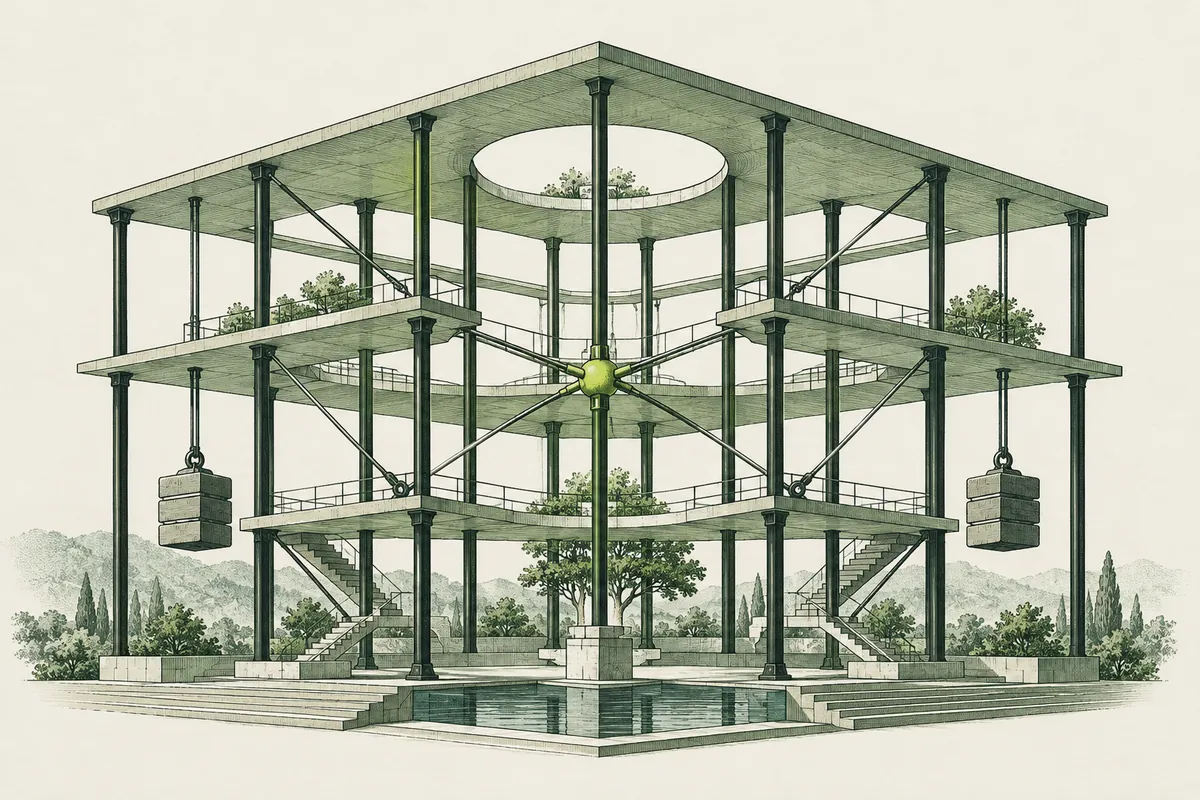
Columns and beams in an open building are connected by central rods and balanced weights, suggesting structure and checks in governance.
Capital markets & governanceThematic illustration · AI generated

Full text — English translation

Everyone has their difficulties, but let us focus on raising money from the public. Past fundraising scandals involving Hongyuan and other companies led the government to restrict fundraising from the general public to designated institutions operating within specified legal frameworks. My personal impression is that most countries regulate this activity. Banks, for example, may take funds from the public but are highly regulated. Insurers and public companies likewise face laws and supervisory bodies intended to protect every dollar belonging to depositors, policyholders, and retail investors, using established systems to create value. Banks: the Banking Act, the Financial Supervisory Commission’s Banking Bureau, and banking-association self-regulation. Insurers: the Insurance Act, the Insurance Bureau, and insurance-association self-regulation. Public companies: the Securities and Exchange Act, the Securities and Futures Bureau, and supervision by listing authorities. Not every individual or company can freely collect money from the public. Otherwise, anyone could open a bank or set up a company to do so. Small frauds and pyramid schemes should face stricter oversight and heavier penalties when caught. Taiwan has many startup-funding channels: angel organizations, VC, and CVC are widely available. Spend time with one or two incubators or accelerators if possible. They can help refine the business model, strengthen entrepreneurial understanding and finances, offer peer encouragement and alumni resources, and match companies with investors suited to their stage and characteristics.

These articles are personal notes, book excerpts, and collected reprints. Figures and events reflect the time of the original publication, are not current information, and do not constitute investment advice.

Share this article
LINEFacebook

DISCUSSION

Reader comments

What did this article make you think about? Different perspectives and constructive criticism are welcome.

Comments are public immediately. Do not include personal contact details or external links. Automated checks block suspicious solicitation, prohibited transactions and spam; they can make mistakes.

0 / 2000

Comments load when you reach this section.

    Administrator sign-in

    My reading notes

    These notes stay in this browser and are not published. Writing a note also saves the article. Back up or move your notes in My Reading.

    Manage my bookmarks and notes →

    STAY CURIOUS

    Save a good question for your next visit.

    Save this article, or follow the Facebook page and RSS feed for additions. Historical articles retain their original publication dates.

    Browse All articlesSearch articles and full text →